Dave Mitchell


Past postings are numbered in the order they went online, with the most recent postings located immediately below the Table of Contents.

To go directly to stories without scrolling, click on the highlighted phrases following the numbers.

Weekly postings are published by Thursday.

262. Crafting the Considerate House

261. West Marin remembers Duane Irving

260. The art of boating

259. Firefighters in action

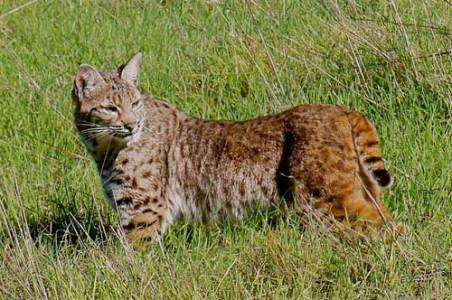
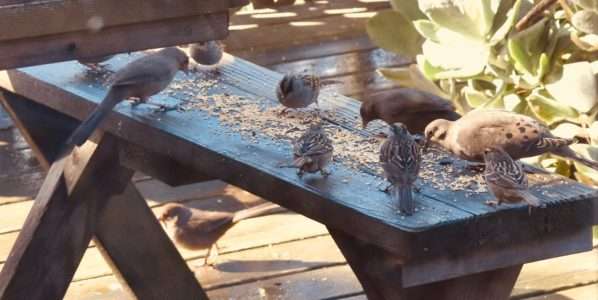
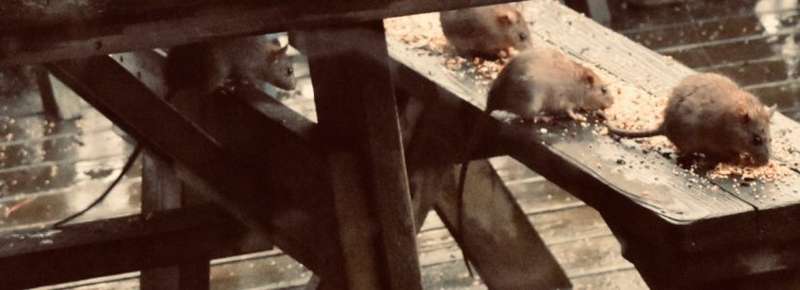
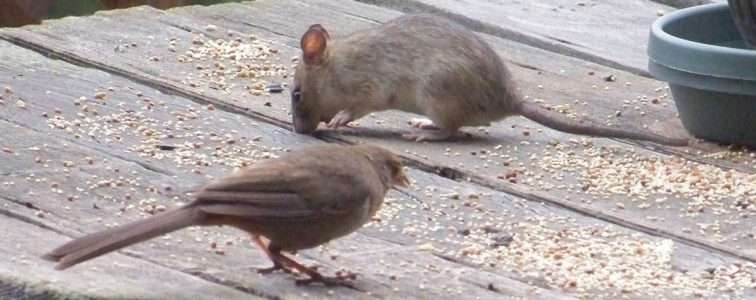
258. Do you like coyotes and bobcats? How about rats?

257. Los mapaches con cacahuates; también fotos de los cuervos y venados

256. Proposal for ceasefire in West Marin ‘newspaper war’

255. The young creatures of summer

254. Eli’s coming — causing momentary dismay at The Point Reyes Light

253. Under the volcano and in the eye of the storm — a firsthand account

252. The duel between The Point Reyes Light and The West Marin Citizen

251. Santa Muerte and El Cadejo

250. Wildlife around my cars on the Serengeti Plain of West Marin

249. A big Western Weekend Parade in li’l old Point Reyes Station

248. 4-H Fair and Coronation Ball keep alive Western Weekend’s agricultural traditions

247. A tail for West Marin to bear in mind this Western Weekend

246. Point Reyes Light sells and will incorporate as a nonprofit

245. Point Reyes Station area blackout rumored to have been sparked by bird

244. Planned Feralhood desperate for a new home

243. John Francis takes a walk down under

242. A day in a small town

241. Point Reyes Station’s notorious curve is scene of yet another vehicle crash

240. The Mother Goose method for getting rid of thistles

239. A benefit so that handicapped kids can go rafting

238. Where angels fear to tread

237. The Chronicle, hang gliders, and horses

236. Crowd celebrates 80th birthday of Marshall artist-political activist Donna Sheehan

235. A classic revisited

234. Nature celebrates spring

233. More on diplomatic news we’ve been following

232. Sportscar flies off embankment; no one hurt in miraculous landing

231. A chat with the Trailside Killer

230. Life and death on my hill

229. Valentine’s Fair raises money for Haiti relief

228. Historic irony as milk truck overturns in Marshall

227. Encouraging my bodhisattva possum on her path to enlightenment

226. Benefit for Haitian earthquake survivors filled with mixed emotions

225. What drought? Nicasio Reservoir overflows

224. Disconcerting standup reporting

223. The storms begin; schools close; a near miss at my cabin

222. Spare the rodent (or rabbit) & spoil the diet

221. Lookin’ out my backdoor: some of my favorite wildlife photos

220. Careening through the holidays

219. Chileno Valley journalist working in Abu Dhabi brings new wife home for visit

218. Just what would Mayberry be like on acid?

217. The foxes of downtown Point Reyes Station

216. Interpreting dreams

215. Let’s talk turkey

214. You’ll Never Walk Alone — an unlikely story

213. A wistful walk on the bottom of Nicasio Reservoir

212. Progress in the backyard peace process

211. John Francis leaving; 4 other artists turn pages but sticking around

210. What we inherit

209. Over 200 show up at fundraiser to help pay injured ad manager’s medical bills

208. A community helping one of its own

207. A country mouse in the Tenderloin

206. News of the week reported through pictures

205. Update on injured ad manager of West Marin Citizen; benefit planned; and will there be a race?

204. Startling weather; amazing stepdaughters

203. Talented-animal tales

2o2. Saga of The West Marin Citizen ad manager’s recovery spreads around the globe — not always accurately

201. And you were there

200. Hospitalized ad manager of West Marin Citizen coming home; friends volunteering to provide meals

199. Scenes from the Inverness Fair

198. Great progress for injured ad manager of The West Marin Citizen despite problems with convalescent hospital

197. Thieves use ruse to clean out till at Station House Gifts

196. Anastacio’s Famous BBQ Oyster Sauce goes on sale

195. A hillside of wildlife

194. Kaiser Permanente’s ‘Sicko’ machinations shock injured ad manager of The West Marin Citizen

193. Immobilized by multiple injuries, ad manager keeps selling from hospital bed

192. All creatures feathered and furry

191. The wildlife of summer around my cabin & an update on Linda Petersen’s condition 

19o. West Marin Citizen advertising manager hurt in crash; her popular dog Sebastian dies

189. Sunday’s Western Weekend Parade

188. The Western Weekend Livestock Show

187. Western Weekend parade will be Sunday despite reports to the contrary

186. The purple couch beside the road

185. A funny thing happened at the car wash Friday & other odd events

184. My brush with a badger

183. Scientists find no evidence oyster farm harming Drakes Estero; more likely restoring it

182. Why bottom of Drakes Estero can never become part of a wilderness area

181. Badger, Ratty, and the sensual raccoon

180. ‘And how the wind doth ramm!/ Sing: Goddamm — Ezra Pound

179. A tailgate gallery of bumper-sticker humor; Point Reyes weather both Arctic & tropical

178. Crowd in Inverness Friday calls for reviving park’s Citizens Advisory Commission

177. Flying over Northwest Marin

176. Spring meditations in a Miwok cemetery concerning the news of West Marin.

175. Two warning signs of Spring

174. Tomales may be little but it’s lively

173. Doe stalks cat; raccoon emulates Scripture — for the rain it raineth every day

172. Three-year drought comes to a symbolic ending as Nicasio Reservoir overflows

171. Pot busts at my cabin — again

170. Happy Valentine’s Day (as it’s evolved)

169. Blogging about blogging

168. Thinking about words

167. Point Reyes Station celebrates President Barack Obama’s inauguration

166. A reader in Ghana

165. The bittersweet story of a hardy little tree

164. A parting look at 2008

163. Blackout hits Tomales Bay area

162. Nature’s Two Acres Part XXXVIII: Way Out West in West Marin

161. Chileno Valley Ranch as depicted by a rancher-artist who lives there

160. Nature’s Two Acres XXXVIII: This time it’s a tale of two bobbed cats

159. Thanksgiving in Point Reyes Station

158. Nature’s Two Acres Part XXXVII: a bobcat at my cabin

157. Quotes Worth Saving II

156. Nature’s Two Acres Part XXXVI: The migrating birds of fall; or ‘Swan Lake’ revisited

155. Election night euphoria

154. The fun and anxiety of preparing for a disaster

153.  Porky Pig, Demosthenes, Joe Biden, and ‘K-K-K-Katy

152. The political zoo.

151. Nature’s Two Acres Part XXXV: Mr. Squirrel

150. A coyote at my cabin

149. Preparing for the fire season

148. Telling the Raccoon ‘Scat’

147. Faces from the weekly press

146. Tomales, Tomales, that toddling town

145. How park administration used deception & sometimes-unwitting environmentalists to harass oyster company with bad publicity

144. Nature’s Two Acres Part XXXIII: Photographing wildlife indoors and out

143. What government scientists elsewhere had to say about the park’s misrepresenting research to attack oyster company

142. Landscape photos & paintings in Stinson Beach

141. What’s in the Inspector General’s report on the park that newspapers here aren’t telling you

140. Point Reyes National Seashore Supt. Don Neubacher seen as ’scary’

139. A demonstration to save Point Reyes National Seashore deer; park administration dishonesty officially confirmed

138. The good, the bizarre, and the ugly

138. Alice in ‘Wilderness

137. Nature’s Two Acres Part XXXII: The first raccoon kits of summer

136. Nature’s Two Acres Part XXXI: The pink roses of Point Reyes Station

135. Nature’s Two Acres Part XXX: Baldfaced hornets

134. Scenes from my past week

133. Artist Bruce Lauritzen of Point Reyes Station draws a crowd for opening of exhibit

132. Kite day at Nicasio School

131. Sunday’s Western Weekend Parade in photos

130. Early projections hold: Obama, Woolsey & Kinsey win… Leno easily bests Migden & Nation

129. Western Weekend’s 4-H Livestock Show fun — but smaller than ever

128. Humane Society of the US says National Seashore claims about deer contraception are misleading

127. Lt. Governor John Garamendi joins battle to save fallow & axis deer in Point Reyes National Seashore

126. Nature’s Two Acres Part XXIX: Cold-blooded carnality… Or, why be warm blooded?

125. Nature’s Two Acres XXVIII: The first fawns of spring

124. The Beat Generation lives on at the No Name Bar

123. ‘Still Life with Raccoon

122. Nature’s Two Acres XXVII: Animals about town.

121. Newspaperman from Chileno Valley describes his life in the United Arab Emirates

120. Point Reyes Station and Inverness Park demonstrators call for a pedestrian bridge over Papermill Creek

119. Seeing history through newsmen’s eyes…. or the pen is mightier than the pigs

118. Five Faces of Spring

117. Supervisor Steve Kinsey defends further restrictions on woodstoves in West Marin

116. Prostitution in New York, Reno, and Point Reyes Station

115. A country without the decency to ban torture

114. National Seashore’s slaughter of deer traumatizes many residents here; ‘we demand a stop’

113. A tale of Kosovo, West Marin, and a bored battalion of Norwegian soldiers

112. Dillon Beach sewage spill update

111. ‘Drive-by journalism’

110. Sewage spills into ocean at Dillon Beach

109. Nature’s Two Acres XXVI: Which came first, blacktail or mule deer? Hint — their venison is oedipal

108. Nature’s Two Acres XXV: Talking turkey

107. Here’s hoping ‘the goose hangs high this Thursday for Valentine’s Day

106. Signs of bureaucratic contamination

105. A final thought about the Caltrans worker who just did his job — and saved the day

104. Statewide campaign to legalize hemp and marijuana comes to Point Reyes Station

103. Heavy news media presence briefly halts axis-deer slaughterin the Point Reyes National Seashore

102. Storm damage bad but could have been tragic

101. Nature’s Two Acres XXIV: Buffleheads, Greater Scaups, and the 16.6 million wild ducks shot annually

100. Lawsuits against and by Robert Plotkin settled out of court

99. Nature’s Two Acres XXIII: Bambi, Thumper, and Garfield

98. Governor Schwarzenegger’s proposal to close Tomales Bay State Park to save money could prove expensive

97. Old Christmas trees, wild turkeys, and the famous cat-and-rat scheme

96. Blackouts, newspapers in the news, and poetic frustration on the prairie

95. Hurricane-force wind & heavy rain take heavy toll on West Marin

94. Marin County gets a bum rap from itself

93. ‘Eco-fascism in the Point Reyes National Seashore

92. Guess who came to Christmas dinner

91. Yuletide greetings from Santa Claws

90. Assemblyman Jared Huffman’s ominous mailer

89. Nature’s Two Acres XXII: They’re hundreds of times more deadly than cynanide… and headed this way

88. Non-native species stops traffic in Point Reyes Station

87. Blackouts bedevil Point Reyes Station area

86. Urban legends

85. Nature’s Two Acres XXI: Coyote influx benefits some birds around Point Reyes Station

84. Winter Moon Fireside Tales — an undiscovered gem draws only four ticketholders opening night (but more for second show)

83. Striptease in Point Reyes Station… well, sorta

82. Our Lady of the Chutzpah — the many faces of State Senator Carole Migden

81. Stefanie Pisarczyk (AKA Stefanie Keys): a woman of two worlds

80. Point Reyes Station’s ‘Path of Lights’

79. Lessons to be learned from the oil spill

78. Nature’s Two Acres Part XX: Where coyotes howl and raccoons roam free

77. West Marin Community Thanksgiving Dinner celebrated in Point Reyes Station’s Dance Palace

76. Giving thanks for an abundant harvest

75. Being a Gypsy isn’t enough; KPFA fires host criticized for not being a ‘person of color’

74. Nature’s Two Acres Part IXX: ‘Things that go bump in the night’

73. Point Reyes Station pharmacist decries health-insurance practices

72. Farm Bureau president quits; defends independence of wife who disagrees with his political position

71. Ship hits Bay Bridge; spilled oil drifts out Golden Gate and mires birds on West Marin coast

70. California photo book’s release celebrated with gala on Inverness Ridge

69. Coastal Post’s December issue to be its last, assistant editor says; publisher contradicts her

68. West Marin’s ‘Mac Guru’ leaving town — a friend with a knack for surviving

67. One last warm weekend before the season of darkness

66. Ranching matriarch Hazel Martinelli dies at 101

65. Nature’s Two Acres Part XVIII: Seasonal sightings

64. White House Pool: a public park where management listens to the public

63. Tuesday’s Marin County Farm Bureau luncheon for politicos

62. Hawks on the move

61. Point Reyes Station’s Hazel Martinelli celebrates 101st birthday with party at son’s deer camp

60. Vandals dump sewage at West Marin School

59. Paving Point Reyes Station’s main street at night

58. Bolinas firehouse and clinic opening party Sunday

57. Nature’s Two Acres XVII: As seen by an old, almost-blind dog

56. Despite public-be-damned management, it’s still a beautiful park.

55. Language, politics & wildlife

54. Truth becomes an endangered species at the Point Reyes National Seashore.

53. ‘Possums,’ a sequel to the musical ‘Cats’

52. The KWMR/Love Field ‘Far West Fest’

51. Quotes Worth Saving & the Inverness Fair

50. Watching the Point Reyes National Seashore obliterate cultural history

49. Congress sees through Point Reyes National Seashore claims

48. Music, wildlife, and the cosmos

42. Garbage in, garbage out

41. 76-year-old Nick’s Cove reopens

40. What we didn’t celebrate on the Fourth of July

39. Ship’s flare or meteor

38. The death of a salesman: Andrew Schultz

37. Preventing fires at home while The Point Reyes Light feels the heat

36. Monday’s demonstration against The Point Reyes Light

35. Inverness Park fire Friday razes art studio

34. Western Weekend retrospective; anonymous satire of Point Reyes Light distributed at parade; Light’s use of unpaid interns may run afoul of labor laws.

33. Sunday’s Western Weekend parade and barbecue

32. Many fail to find Western Weekend livestock show; a new newpaper debuts in West Marin; The Point Reyes Light reports a former bookkeeper is in jail on embezzlement charges.

31. Nature’s Two Acres Part XVI: A gopher snake & other neighbors

30. New newspaper to be published in West Marin

29. Mermaids, cows, Horizon Cable, and Russia’s Internet war on Estonia

28. Nature’s Two Acres Part XV: ‘Among animals…one finds natural caricatures.’

27. Nature’s Two Acres Part XIV: ‘The world, dear Agnes, is a strange affair.’

26. Sheriff Bob Doyle ’stays the course’ despite blunder and gets county government sued.

25. Nature’s Two Acres Part XIII: ‘Who’s the Head Bull-Goose Loony Around Here?’

24. Nature’s Two Acres Part XII: April showers ‘cruel’ with ‘no regrets’

23. Nature’s Two Acres Part XI: The perky possum

22. Former Point Reyes Light columnist John Grissim, the late pornographer Artie Mitchell, Brazilian President Lula and the advent of orgasmic diplomacy

21. Nature’s Two Acres Part X: ‘Nature Red in Tooth and Claw’

20. Nature’s Two Acres Part IX: Point Reyes Station’s blackbirds

19. Nature’s Two Acres Part VIII: ‘Mice & rats, and such small deer’

18. The Gossip Columnist

17. Saying Yes to Change: A former Point Reyes Station innkeeper finds true joy by moving in with a working-class family in a poor neighborhood of San Miguel de Allende, Mexico.

16. The Bush Administration at Point Reyes Part II: Whatever happened to the Citizens Advisory Commission to the GGNRA & Point Reyes National Seashore?

15. The Bush Administration at Point Reyes: Part I

14. Marin supervisors refuse to tilt at McEvoy windmill

13. Nature’s Two Acres Part VII: Rats v. dishwashers

12. Nature’s Two Acres Part VI: How Flashing Affects Wildlife

11. Nature’s Two Acres Part V: By Means of Water

10. Bankruptcy court trustee lets Robert Plotkin hold onto some of his Ponzi-scheme ‘profits’

9. Big Pot Busts at My Cabin

8. Storm-caused fire razes Manka’s Lodge and Restaurant in Inverness

7. Nature’s Two Acres Part IV: Christmas turkeys & where the buck stopped

6. Nature’s Two Acres Part III: Insectivores and Not

5. My background: Biographical information on newspaperman Dave Mitchell

4. Nature’s Two Acres Part II: Living dinosaurs actually found around my cabin

3. Nature’s Two Acres: A Point Reyes Station Photo Exhibit

2. Robert I. Plokin

1. Introduction to this site SparselySageAndTimely.com plus an account of orphaned fawns being released in Chileno Valley.

Because few of us in Point Reyes Station have home delivery, the post office has long been the most popular meeting spot in town. On Monday, it was the scene of one of those happy little moments that make small towns great places.

As it happens, postal worker Erin Clark, who was helping out in Point Reyes Station for a day, is a volunteer with a wildlife-rescue group, Rancho Raccoon, headed by Megan Isadore of Forest Knolls.

About a week earlier, Rancho Raccoon received four newly born raccoons that were orphaned when a building was torn down in Oakland. Erin took over raising the newborns when they were less than a week old.

Like any mother, Erin has to periodically check on her young ones, so on Monday she brought them with her when she went to work. There was no risk of the baby raccoons getting into trouble at the post office where they spent the day sleeping in a back room. At 11 days old, their eyes had not yet opened nor were their ears fully developed.

Erin is the only mother the raccoons know, so whenever she picks one up, the baby tries to suckle on her fingers.

Equally picturesque but less cuddly were 15 western pond turtles I counted Monday on two logs in a pond off Cypress Road. The small pond at Anastacio and Sue Gonzalez’s home attracts a variety of wildlife, and on warm days, these turtles emerge to sun themselves.

California’s Department of Fish and Game has designated the western pond turtle a “species of special concern.” Because some pond turtles, especially fertile females, migrate, motor vehicles periodically kill a few. Pesticide runoff, loss of habitat, and introduced predators are also reducing their numbers. Around West Marin, a major threat is from non-native bullfrogs, which eat hatchling and juvenile turtles.

Western pond turtles can be found from the Canadian border to Baja California although in the state of Washington, they almost became extinct around 1990 because of an unidentified of disease. However, they are now making a recovery there thanks to government programs.

As I started down my front steps Monday en route to the post office, I startled a young buck that was lying down, chewing its cud. The deer jumped up and started to quickly walk away, but I began talking to it in a low voice, and it stopped to look at me.

When I stayed put and kept whispering soothingly, the buck relaxed and started scratching fleas. Before long it was grazing. Not wanting to disturb the deer, I had to wait about 10 minutes until it wandered off and I could get to my car and drive into town.

Italian thistles on my hill

On Sunday I completed a two-week assault on the thistles in my field. I even removed thistles on the edge of three neighbors’ fields since one neighbor’s thistle problem quickly becomes the neighborhood’s thistle problem.

As first described in this blog April 28, a fortnight spent pulling up and cutting down thistles was exhausting and sometimes painful. Several fingers sustained battle wounds, but I expect to fully recover. As of now, I’m storing enough thistles in plastic bags to keep my green-waste container full for another month of pickups.

Eliminating thistles is, of course, a bit like eliminating spiderwebs. Every time the light changes, you spot one you previously missed. All the same, I sort of felt a sense of satisfaction Sunday evening for having persevered in this unpleasant task for two weeks.

The cable guy, Jim Townsend of Horizon Cable

I would have felt even better were it not for one screwup. My cabin is connected to one of the oldest sections of the Horizon Cable system in Point Reyes Station. It’s so old that much of the cable was originally strung along this hill’s barbed-wire fences.

Ever since buying the old system, Horizon Cable has been upgrading it. However, at one corner of my fence, a short length of cable in relatively thin conduit still dangles beside the barbed wire. On Sunday while using loppers to cut down the largest thistles, I reached into a clump and instead cut the cable.

Immediately I alerted Horizon Cable, for although I didn’t much mind not having television, not having access to the Internet was a real drag. I felt cut off from friends and family in faraway places. I couldn’t get my nightly fix of al Jazeera.

Thankfully on Monday morning, Horizon technician Jim Townsend showed up and managed to get me back online despite having to dig up some old-style fittings for my old-style section of the system. I don’t mind being on an antiquated section with part of my cable running along a barbed-wire fence. To me it symbolizes the enduring rusticity of Point Reyes Station.

In 1979-80, “Trailside Killer” David Carpenter murdered one woman and possibly three others on Mount Tamalpais, as well as three women and a man in the Point Reyes National Seashore. Most of the women were also raped.

Carpenter’s arrest came the following year after he murdered two women in Santa Cruz County. He was caught when the companion of one Santa Cruz victim survived despite being wounded and was able to give lawmen a description of the assailant.

For years, Carpenter has also been a suspect in several other slayings, and this week San Francisco police announced DNA evidence has now tied him to the 1979 murder of Mary Frances Bennett, 23, of San Francisco. She had apparently been jogging near the Palace of the Legion of Honor when attacked.

Police said she had been stabbed at least 25 times in her chest, back, and neck. Bennett’s “butchered” corpse was found under a thin layer of dirt and leaves.

In 1984, a jury in San Diego County convicted Carpenter of the Santa Cruz murders, and he was sentenced to be executed. In 1988, a second jury convicted him of the National Seashore murders and one murder on Mount Tamalpais.

After he was placed on death row in San Quentin where he remains today, Carpenter (left) contacted me out of the blue, and this ultimately led to my interviewing him in the prison. Photo by Christopher Springmann

At the time of the interview in 1985, Carpenter, then 55, had spent more than 22 years in custody.

Carpenter was first incarcerated at the age of 17 for allegedly having oral sex with a three-year-old girl. He denied the charge but spent three months in Napa State Hospital.

Three years later — in 1950 — he was arrested on charges of raping a 17-year-old girl, but the charges were dropped. Ten years later, he was arrested a third time. A military policeman shot and wounded Carpenter when the officer found him using a hammer to beat a secretary who had rebuffed his sexual advances. He went to federal prison for nine years.

In 1969, ten months after his release, Carpenter sexually attacked two women in Santa Cruz County, stole a car, and drove to the Sierra. In Calaveras County, he robbed two women, kidnapping one of them. He would later be charged with rape in connection with the Calaveras attacks, but that charge was eventually dropped.

A few days after the Calaveras attacks, Carpenter was arrested in Modesto. Convicted of robbery and kidnapping in Calaveras County (where he escaped from jail briefly) and of rape in Santa Cruz County, Carpenter went to state prison for seven years.

When he got out in 1977, he was returned to federal prison for violating his parole with the Calaveras and Santa Cruz attacks. In 1979, Carpenter was placed in a halfway house in San Francisco while awaiting parole. Three months later, the first trailside murder occurred. Here are the murders to which he had been previously linked:

• Edda Kane, 44, of Mill Valley was shot in the back of the head Aug. 19, 1979, while hiking on Mount Tamalpais.

• Barbara Schwartz, 23, of Mill Valley was stabbed to death while hiking on Mount Tamalpais March 8, 1980.

• Anna Mejivas, a friend of Carpenter, was found slain in Mount Tamalpais State Park on June 4, 1980.

• Cynthia Moreland, 18, of Cotati and Richard Stowers, 19, of Two Rock were shot to death Oct. 11, 1980, off Sky Trail in the National Seashore.

• Anne Alderson, 26, of San Rafael was jogging at the edge of Mount Tamalpais State Park Oct. 15, 1980, when she was killed with three bullets to the head. Alderson’s murder was the only one on Mount Tamalpais for which Carpenter was prosecuted.

• Diana O’Connell, 22, of Queens, N.Y., and Shauna May, 23, of Pullman, Wash., were shot to death Nov. 28, 1980, also off Sky Trail in the park. Their bodies, along with those of Moreland and Stowers, were found the following day.

• Ellen Hansen, 20, a UC Davis graduate student, was shot to death while hiking near Santa Cruz March 29, 1981. Her companion, Steven Haertle, was shot four times but survived.

• Heather Skaggs, 20, of San Jose disappeared the day she was scheduled to go shopping with Carpenter, May 2, 1981. Her body with one gunshot wound to the head was found in Santa Cruz May 24.

As it happened, KQED television in 1985 taped a debate between Synanon attorney Phil Bourdette and me. After watching the debate from inside San Quentin, Carpenter wrote me at The Point Reyes Light, and we began a correspondence.

Before it ended, Carpenter was answering questions from The Light and its readers. How common is homosexual rape of inmates by inmates? Most rapes occur in large jails operated by counties, not in state prisons, Carpenter answered.

With so much money being spent on prisons, how well is it used? “Pre-1976-77, everybody was under an indeterminate sentence, and you had to earn your way out of prison,” Carpenter replied. “There was very little trouble in the prison system  because the men knew they had to keep their noses clean to have any chance at parole.

“Back then most of the work that was done in prison was done by the inmates themselves. Rehabilitation is dead in this state….. Virtually all of the jobs that were done by the prisoners and cost the taxpayers practically nothing are now all being done by civilian personnel at a very high cost to taxpayers.”

When I managed to schedule an interview with Carpenter in San Quentin, I was intrigued by the prospect but didn’t know what to expect. Would he seem to be a monster, a sadist? Carpenter instead seemed rather charming.

While admitting “my record sucks,” Carpenter stammered that he was not responsible for the trailside murders. Carpenter’s stuttering was, in fact, so severe I felt an immediate sympathy.

Carpenter acknowledged experimenting with pot after he got out of prison in 1979, so I asked if marijuana gave him any relief from his stuttering. “Alas,” he replied, “it really didn’t do anything for me speechwise. My stuttering stayed the same, but my attitude toward my stuttering changed. The more I smoked, the less I cared or let it bother me.”

Years later in conversation with a former member of the San Quentin staff, I speculated that Carpenter’s stuttering was so disarming it may have made sympathetic women more vulnerable to an attack.

The former staffer, in turn, said he suspected that Carpenter murdered his rape victims because a middle-aged, bald man with an extreme stutter would be easy to identify. That does make sense.

Christmas week was a roller coaster ride for me. Amid all the merriment, I hit a young buck a week ago while driving on Lucas Valley Road. The deer was fatally injured when it jumped in front of my car just as I passed. It’s an old story.

The only other deer I’ve ever hit was a fawn 30 years ago, and both times I’ve been saddened by the animals’ misfortune. This time, however, I also felt a bit sorry for myself. The collision did more than $400 damage to a headlight.

I hadn’t planned on having a Christmas tree this year, but one literally dropped from the sky and landed close to my front door. On Christmas Eve, I found a nicely shaped tip of a pine branch on the ground. It had probably been gnawed off by a squirrel high in a tree that’s near my front steps.

‘What the heck?’ I thought and stuck it in a stand almost as big as the “tree” itself. My little Tannenbaum had room for only a few ornaments, but that was fine. And when I took a picture of it, the camera’s flash serendipitously created a Star of Bethlehem on a window behind the tree.

Overheard at a party: A couple of modest means invited me to a boisterous celebration where one of the guests brought an uninvited man. After listening to the man hold forth about a recent trip to Europe and an upcoming return trip to Hawaii, the hostess sarcastically commented she wasn’t as “rich” as he.

“I’m not rich. I’m broke,” the man replied indignantly. “That’s just my lifestyle.” I wondered if his lifestyle might account for his being broke.

Early last week, I received a Christmas card from an older woman who once owned a business in Point Reyes Station. As of last fall, she was in an assisted-living facility over the hill.

The card, however, had been sent from the Cooperstown Medical Center. “I’m in Cooperstown, North Dakota,” she wrote, “but now I forget why.” It was a poignant admission, and I wish her well.

The day after Christmas is a public holiday in much of Northern Europe (where it coincides with St. Stephen’s Day) and in most of the English-speaking world other than the United States. Boxing Day, as it is called in English, originated in a tradition from the Middle Ages — perhaps from the days of ancient Rome — of giving gifts to household servants and the needy on a certain date.

Some people have theorized that the English name for the celebration originated in the practice of churches opening their alms boxes the day after Christmas and distributing the contents to the needy.

“What did you do for Boxing Day?” I wrote one cousin. “I spent mine celebrating Kwanzaa.” Also occurring the day after Christmas is the start of Kwanzaa, a week-long celebration of African culture. The celebration was launched 43 years ago by Black Power activist Ron Karenga.

The name comes from matunda ya kwanza, which is Swahili for first fruits of the harvest. The celebration, which has been commemorated with two postage stamps, has been becoming somewhat more mainstream, with a few million US citizens of diverse races and religions now observing it.

So I hope you enjoyed a happy Chanukah, or a jolly Winter Solstice, or a merry Christmas, or a beatific Boxing Day, or a convivial start to Kwanzaa — or all of the above. If you didn’t, there’s still New Year’s Eve to come, so get out there and party.

While in Sausalito Sunday, I watched as a sailboat race and a blimp glided over San Francisco Bay on the afternoon breezes.

100_3134_1_1

The lettering on the side of the blimp was difficult to read at a distance until I photographed the air ship, using a zoom lens. And even after studying the photograph, I wasn’t sure what was being promoted.

What was I to make of “23andMe.com personal genetics”? Or the slogan on the blimp’s nose: “Join the Research Revolution”?

100_3138

So I checked online. Turns out 23andMe.com is selling $399 “at-home DNA tests.” You supposedly can learn about everything from your risks of inherited ailments to your maternal and paternal ancestry, along with where on the globe where your strain of DNA is usually found.

Back in 1903, the remains of a man who had died approximately 9,000 years ago were found in Gough’s Cave in Cheddar Gorge, Somerset, England. For much of the next 93 years, “Cheddar Man,” as the remains came to be known, resided quietly in London’s Natural History Museum.

In 1944, however, the significance of DNA came to be understood, and in 1996, a researcher from Oxford University used one of Cheddar Man’s molars to check the old guy’s DNA. The researcher then had the bright idea to take DNA samples from 20 residents in the village of Cheddar, which is not far from the cave.

Apparently some families in southwest England really stay put — not just for generations but for millennia. Two Cheddar schoolchildren had exact DNA matches with Cheddar Man, and a teacher had a close match.

While many traits may be inherited from our ancestors via DNA, others can be passed down in unexpected ways. Here’s an example of a domestic accident that has affected four generations of my extended family.

Mother & grandmother001_1_1

My mother Edith Mitchell, née Vokes, born in 1906, sits on the lap of her mother Harriet Vokes, née Wheeler, in Oshawa, Ontario, Canada.

Mom as a girl002_1When my grandmother was a girl in Canada back around 1880, she was slicing food in the kitchen one day when the knife slipped and cut deeply into a finger.

Bleeding profusely, she had to be rushed to a doctor.

The injury was sufficiently traumatic that when my mother (left) grew old enough to help in the kitchen, Grandmother repeatedly described the accident in warning my mother to be careful with kitchen knives.

I never met grandmother Vokes. She died in 1925, more than 18 years before I was born.

Mom with me c. 1945003_1 Mom emigrated to the United States in 1930, and my parents were living half a block from the Marina Green in San Francisco when I was born in 1943. As a result, many of my parents’ early photos of me were shot beside San Francisco Bay.

When I grew old enough to start helping Mom in the kitchen, she was so fixated on the danger of kitchen knives that she told me over and over how her own mother had injured herself by not cutting correctly.

The warning was drummed into my head to where even today at 65, whenever I slice food, I remember a finger’s getting cut — despite its happening 130 years ago in a foreign country to a person I never met.

100_2870_2_1_1When my stepdaughter Shaili Zappa, 16, was visiting from Guatemala last month, I told her this story and she was intrigued. (Photo of Shaili and me by Ana Gonzalez)

On Sunday, Shaili emailed me from Central America: “Every time I chop carrots, I remember the story!”

Think about it. A girl in Canada cut a finger with a kitchen knife during the 19th century, and although we are now in the 21st century, her direct and indirect descendants in the United States and Guatemala continue to wince. To my mind, that’s as remarkable as DNA.

It was one of those times I felt like the Country Mouse.

I’d been reading San Francisco Chronicle about the city police department’s wanting to clean up the Tenderloin. And I’ve been reading Chronicle columnist CW Nevius’ fulminations against drug use and sexual activity in the district.

mapdataBy the way, while most of us know where the Tenderloin is in San Francisco (see Google map at right), many people don’t know the origin of the name.

Other cities have also had “tenderloins” although New York supposedly had the first. The district had widespread graft and vice, so any corrupt cops who policed it could afford to eat well. At least that’s the etymology given by The American Heritage Dictionary.

Several major streets cross San Francisco’s Tenderloin, so I periodically drive through it. Saturday night, however, was the first time in years I’d traversed it on foot. Oddly enough, I was on my way to the Hilton Hotel which, as can be seen in the map above, sits squarely in the Tenderloin.

I was about to pick up a friend and drive him to Point Reyes Station for a visit. The friend, new-media consultant Dave LaFontaine of Los Angeles, had spent the previous three days conducting training sessions at an Online News Association convention in the hotel.

After parking my car on O’Farrell Street near Market, I’d begun walking back up O’Farrell when the odd mix of characters on the street started catching my eye. A large, somewhat-intimidating man called me over, but I kept walking and quickly crossed the street.

Up ahead of me I saw a small crowd milling around Johnny Foley’s Irish House, a fashionable bar. They’d apparently gone outside to smoke. As I got closer, I noticed another group sitting on the sidewalk next to them. These folks weren’t dressed like the more-stylish bar patrons, but they too were mostly smoking, and some were jovially drinking from bottles.

Just beyond these convivial groups, however, three cleancut men dressed all in black were wrestling on the sidewalk, with two of them trying to hold down the third. Having also been reading about bystanders getting caught in gang violence, I didn’t stop to watch.

By the time I’d reached the corner, however, the man who’d been on the ground caught up, brushing himself off. Almost immediately, the other two men rushed up, and the first ran out into traffic but was caught and dragged back to the sidewalk. At this point I heard someone say, “He stole a purse.”

“No I didn’t,” the man insisted.

A block and a half further and I was at the Hilton. A policeman was standing out front, so I told him what I’d witnessed. “I guess we’d better go down there,” he said, and I went inside the hotel.

The lobby was crowded with cheery people in their late teens and early 20s. It turned out they were USC football fans staying en masse at the Hilton, and they were celebrating because USC had beaten Cal 30-3 that afternoon.

Security guards were stationed here and there, but everyone in the lobby was behaving peaceably. The only thing out of the ordinary was the apparel of a few female fans. See-through and super-short skirts revealed that thong underwear is in vogue these days at USC.

When Dave and I met up, we laughed at the fashions of “kids today” and started walking back to the car.

handcuffed

Half a block from the scene of the scuffle, we passed the alleged thief sitting on the ground (left) in handcuffs. Half a dozen cops surrounded him while more stood around nearby. Dave shot this photo with his mobile phone, and we continued on.

Several well-dressed celebrants we passed on the sidewalk were noticeably hollow eyed, prompting Dave to mention that when he’d gone into a hotel restroom, he’d come upon a young man who appeared to be snorting a line of cocaine off a sink.

We eventually reached my car, which in my Point Reyes Station fashion I hadn’t bothered to lock. Notwithstanding several scary-looking folks wandering the street no one had touched it.

The Chronicle has written quite a bit about drug dealing sullying the streets of the Tenderloin. Its columnist Nevius has railed against a Tenderloin liquor store’s supposedly being a magnet for street crime and against a sex club’s moving into the district. San Francisco’s tonier neighborhoods certainly wouldn’t put up with a sex club, Nevius wrote on Sept 12.

But would they put up with a Hilton? From all appearances, there was a fair amount of sex and drugs at the hotel last weekend, along with street crime near a fashionable bar less than two blocks away.

Am I criticizing the Hilton? No, it seems to be a well-run hotel that gets a variety of guests. Rather I’m saying that it’s easy to wax indignant about low-rent sexual activity in the Tenderloin and about the drugs of its hard-luck street people, but there’ll never be an editorial campaign against USC fans exposing their G-strings in the lobby of a Hilton Hotel or snorting cocaine in a Hilton restroom.

Feeling discombobulated by urban perversity, this country mouse skedaddled back to familiar old Point Reyes Station.

100_1817_1The advertising manager of The West Marin Citizen, Linda Petersen, 61, of Inverness, suffered major injuries last night around midnight when her car hit a utility pole just west of Motel Inverness.

Her tiny Havanese dog Sebastian was killed in the crash, causing much sadness around Point Reyes Station.

Linda took him everywhere she went, and when The Citizen opened its office in Point Reyes Station more than a year ago, Sebastian soon became a much-beloved dog about town.

A gentle animal with long, silky hair and almost sad eyes, Sebastian charmed most people. Adults, as well as children, regularly stopped by The Citizen office just to see him.

As it happened, I had taken care of Sebastian all afternoon and evening yesterday while Linda helped with a caterer’s event in Stinson Beach.

On her way home to Inverness, Linda stopped by my cabin about 11:30 p.m. to pick up Sebastian but didn’t stick around long, explaining that she was sleepy and needed to get to bed. Unfortunately, her concern proved to be all too valid.

seba-daffodils

Sebastian among my daffodils.

Just after she drove through Inverness Park, she fell asleep at the wheel, ran off Sir Francis Drake Boulevard, and hit a utility pole. A sheriff’s deputy noted that although the car’s front end was crushed, the utility pole received virtually no damage.

seba-cafe

Photographer Jasper Sanidad caught Linda’s and Sebastian’s affection for each other being echoed by a couple behind them in the garden of Café Reyes.

Paramedics transported Linda to Marin General Hospital, where she underwent surgery today for multiple broken bones and a collapsed lung.

100_2379

Linda’s daughter Saskia van der Wal places roses on a small cairn above Sebastian’s grave.

This afternoon, Linda’s daughter Saskia and I picked up Sebastian’s body at the Marin Humane Society, where Animal Control had taken him. Returning to Point Reyes Station from Novato, we stopped near Nicasio Reservoir’s dam where a roadsign warns of falling rocks and gathered a trunk-full of rocks. She and I then buried Sebastian under a persimmon tree in my front yard and used the rocks to erect a cairn over his grave.

The mound of rocks is intended to serve both as a memorial to Sebastian and as a barrier to critters that might want to dig him up.

daveseba_1

Linda was my houseguest for a year in 2007-08, and she and I have remained close friends.

I’m still in shock over what has happened to her, but I’m confident her spirit will be what saves her. When I talked with Linda at Marin General today, she was determined to get through this ordeal and resume her normal life.

As for Sebastian, during the year he and Linda lived in my cabin, we became buddies. (In this photo by Linda, I’m sheltering him from a cold wind.) When Linda was away, Sebastian slept beside me on my bed at night. In recent months I had looked after him several afternoons a week.

However, at 16 Sebastian was virtually deaf, legally blind, and (for the last few months) hobbled by an untreatable tumor on a rear leg. He didn’t have that much longer to live, but I still haven’t come to terms with the finality of his death. I probably won’t for some time.

100_1427

As an old dog, Sebastian was too blind to notice the deer close behind him, and the doe quickly realized he was no threat.

Sebastian came from San Juan, Puerto Rico, where Linda lived for more than 20 years. Saskia had found him running in the streets of a working-class neighborhood, filthy, and eating garbage.

He nonetheless was such a sweet dog that Saskia tracked down his owners and asked if she could have him. Embarrassed by his condition, they gave him to her. In short, even as a young dog Sebastian was so good-natured he saved himself from a street dog’s life and enjoyed 11 good years instead. He was that charming.

New software is allowing me to track the countries where this blog’s readers are located, and as was noted in a Jan. 13 posting, people in 23 countries found their way here in the first two weeks after the tracking began.

In the two weeks since then, readers in an additional 24 countries visited this site. They came from: Bangladesh, Belarus, Belgium, Brazil, Cameroon, Chile, China, Costa Rica, Croatia, Guatemala, Ireland, Israel, Kenya, Latvia, Morocco, Paraguay, Philippines, Poland, Romania, Russia, South Africa, South Korea, Syria, and Thailand.

Of course, some visitors didn’t stick around long, but some did. The average visit lasts more than two minutes and 20 seconds. Among the foreign readers who first visited this site in the past two weeks, those who spent significant time reading it came from Belgium, China (Shanghai), Guatemala, Morocco, and Thailand.

100_1260_1

Finding the door open, three young raccoons consider exploring my kitchen but think better of it when they hear, “Scat.” A Sept. 16 posting on raccoon scat continues to bring visitors to this blog.

What interests visitors? There are lots of ways to find this blog, and Google is obviously an important one. Nor is it surprising that the same Google Analytics software that can track readers’ cities and countries can also track what words people Googled to reach this blog. The top 10 “keywords,” it turns out, were: raccoon scat, dave mitchell the light point reyes, dave mitchell editor, west marin sheriff’s citizen, sparselysageadtimely.com, tony ragona reyes, bolinas clinic, dave mitchell blog, tomales bay association ken fox president, “didi thompson.”

Didi Thompson is my neighbor and has been mentioned in postings. Tony Ragona, a Point Reyes Station innkeeper, is a friend and has also been mentioned. The rest are fairly self explanatory although “west marin sheriff’s citizen” is a bit confused.

But it is downright bizarre that “raccoon scat” tops the list of terms that people around the world Googled last month to end up at this blog with its Sept. 16 posting, Telling the Raccoon ‘Scat.’ The posting discusses the unsightliness of some raccoons’ elevated latrines and the danger of raccoon excrement’s containing eggs of the parasite Baylisascaris procyonis.

The International Society of Weekly Newspaper Editors has reprinted the posting, and I suppose that might explain some interest in the original. In any case, this blog’s Sept. 16 entry has now risen to fifth place in Google’s compendium of 113,000 “raccoon scat” postings. Try Googling the term. You’ll see for yourself.

Bemused by all this, I sent Tony an email congratulating him on ranking almost as high as “raccoon scat” and higher than “dave mitchell blog” in drawing people to this site. “Thanks,” he wrote back, “I guess.”

sebastian-doe_2

The “wildland/urban interface.” One afternoon last week I took care of Sebastian, a 15-year-old Havanese that belongs to Linda Petersen of Inverness. At his age, Sebastian is deaf and legally blind, so when the dog wandered over to this deer, he didn’t see her, and the doe immediately realized he was no threat.

In directing my neighbors and me to make our properties safe from wildfires,  Marin County Fire Chief Ken Massucco last September wrote us that we live in a designated “wildland/urban-interface area.” Despite that being firefighter jargon, the “interface” could as easily describe our interactions with wildlife as our risk of wildfires.

I’ve found it striking how much more wildlife I’m seeing around my property now that I’m retired and at home more. Just by staying alert, I’ve been able to shoot photos for this blog of a coyote and a bobcat, deer and raccoons, foxes and possums, snakes and salamanders, frogs and roof rats. All this wildlife has no doubt been around my home for 30 years, but until three years ago when I stopped editing The Point Reyes Light, I was too busy to see it.

And there’s another noteworthy difference between running a newspaper office and maintaining a blog from home. Once a newspaper article is in print, you can’t change it. I can remember times when I lamented this as a curse; now, however, I think it might have actually been a blessing.

Upgraded WordPress software now counts how many changes I make to a posting after I first put it online. The changes are usually very small, rearranging a sentence or substituting one word for another, but they can add up. A few days after last week’s posting went online, I became curious how many times I’d taken it down and changed it, so I checked: 107 times!

Add this attention to detail to humanity’s natural concern with raccoon scat, and you can see why SparselySageAndTimely.com has caught the attention of some serious readers around the globe: from Bangalore, India, and Palmerton North, New Zealand, to Sandefjord, Norway, and Riga, Latvia.

First a recap of 2008’s headline news: It’s been a good year for double-entendres in headlines, as evidenced by samples published in each issue of The Columbia Journalism Review. “Cash reward to be offered whenever a cop is shot,” announced a headline in the March 3 edition of the Newark, New Jersey, Star Ledger. Or “15 pit bulls rescued; 2 arrested” — the White Plains, New York, Journal News, March 6.

I myself happened upon a couple of headlines with unintended double meanings and sent one of them to CJR, which published it: “Ex-cop gets 50 days in stolen golf clubs case” — The San Francisco Chronicle, June, 6. Although the meaning is obvious today, a few decades from now the most mysterious  of the bunch will probably a Dec. 14 headline I read in Dubai’s gulfnews.com: “Reporter throws shoes at Bush in Iraq.”

And while I’ve been thinking globally, I’ve also been trying to act locally. Here are photographs I shot this week to record the natural Zeitgeist of Point Reyes Station during the week between Christmas and New Year’s.

Four blacktail deer graze uphill from my cabin in the early light of the day after Christmas.

Four blacktail deer graze in the early light on Dec. 26 (or Boxing Day, as my relatives in Canada call the day after Christmas).

Before long, four wild turkeys showed up in my pasture and proceeded to chase each other in circles.

Before long, four wild turkeys showed up in my pasture and proceeded to chase each other in circles. I never could figure out who was chasing whom.

As the sun rose higher in the sky, a buzzard circled several times just off my deck. Here the bird's proximity to the sun results in unexpected lens flare.

As the sun rose higher in the sky on Boxing Day, a buzzard circled several times just off my deck. Here the bird's proximity to the sun results in an unexpected lens flare. Boxing Day by tradition is an occasion for giving gifts to service workers.

The sun setting on 2008, as seen from my cabin Monday. Happy New Year, one and all.

The sun setting on 2008. Inverness Ridge as seen Monday. Happy New Year, one and all.

Getting ready for disaster is both anxiety-ridden and fun, as some of us in West Marin learned in the last few days. One particularly fun event was the West Marin Disaster Council’s annual pancake breakfast in the Point Reyes Station firehouse.

100_0757.jpg Retired County Administrator Mark Riesenfeld of Point Reyes Station watches Inverness volunteer firefighter Ken Fox pour batter at the West Marin Disaster Council’s  pancake breakfast Sunday.

100_0765.jpg During the fundraiser, oyster farmer Kevin Lunny (center) chats with Marin Magazine writer P.J. Bremier (in dark glasses). In the November issue, Bremer writes at length about the Point Reyes National Seashore’s desire to close down Lunny’s century-old oyster operation. Listening (left of him) is Dolly Aleshire of Inverness. Librarian Jennifer Livingston of Inverness stands in the foreground.

100_0766.jpg Marin County firefighter Tony Giacomini reads off the names of winners in the disaster council’s raffle. Assisting him are his wife Nikki, his son Brandt (who has just drawn a ticket), and Brandt’s brother Ryan (beside him).

Raising money for disaster preparedness, as was noted, is the fun part. The anxiety-ridden part was the drill we disaster council members held last week.

Here was the mock scenario. On Tuesday, a Magnitude 6.9 earthquake on the Hayward Fault (which runs from Fremont to San Pablo Bay) causes massive destruction. Some 2,000 Bay Area people die, and 5,000 more go to hospitals.

Marin County is mostly isolated from the outside world with Highway 101 blocked at Petaluma, the Richmond-San Rafael Bridge closed, and the Golden Gate Bridge reduced to one lane. It takes until Thursday to get a comprehensive assessment of the damage.

So last Thursday morning, about 50 public employees set up shop in an alternative emergency-operations center at the jail while out here on the coast, neighborhood liaisons to the West Marin Disaster Council pretended to look for damage.

100_0787.jpgI’m the Campolindo Drive liaison to the disaster council. That basically means in case of a disaster, such as a major earthquake, I’m supposed to radio my area coordinator, Kate Kain of Point Reyes Station, and let her know if there are any serious problems on this road.

Thursday was the day to test our ability to use the high tech walkie-talkies we’ve all been issued. We’d received instructions from radio expert Richard Dillman (who also does technical work at KWMR), but most of us had never before used the radios, and I was a bit nervous.

What if I couldn’t remember which of the radio’s many buttons to press when I tried to speak on the air? If I pressed one wrong button, I’d change the band on which I wanted to broadcast. Another button would set off a disruptive beeping at Kate’s house. If I went on the air at the wrong time, I’d interfere with another liaison’s reporting in.

I set the alarm for 9:30 a.m. Thursday, which is early for me, and likewise took an early shower. (I was going to be sharp for this drill.) Methodically, I ate breakfast and read the morning newspaper. (I was also going to be full of energy and in possession of the latest information.)

At 11 a.m. as scheduled, I went out on my deck to radio Kate, whose house I can nearly see from mine. Although I could hear other people radioing in reports, it took me several minutes to figure out the correct button for talking on the air. (It’s under my thumb in the photo above.) Eventually, I managed to get through and report that all was well on Campolindo Drive. Kate thanked me for taking part in the drill, and that was that.

I went inside feeling mightily relieved. I’d passed the test! I’d managed to work that mysterious radio without making a fool of myself! To celebrate, I took the rest of the day off.

Next Page »