History


Past postings are numbered in the order they went online, with the most recent postings located immediately below the Table of Contents.

To go directly to stories without scrolling, click on the highlighted phrases following the numbers.

Weekly postings are published by Thursday.

262. Crafting the Considerate House

261. West Marin remembers Duane Irving

260. The art of boating

259. Firefighters in action

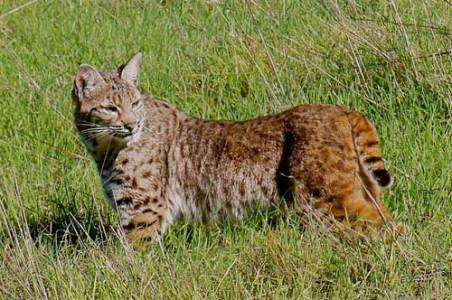
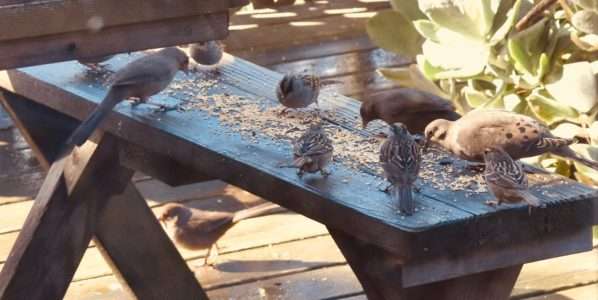
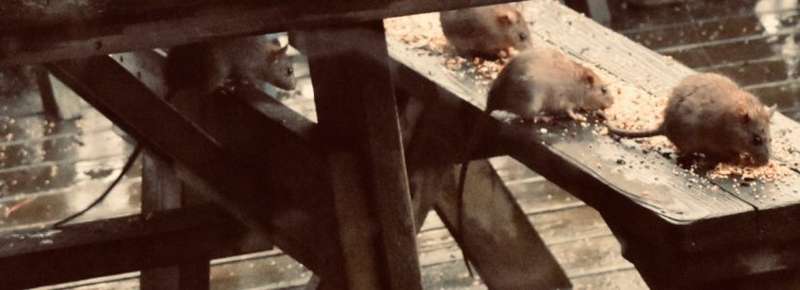
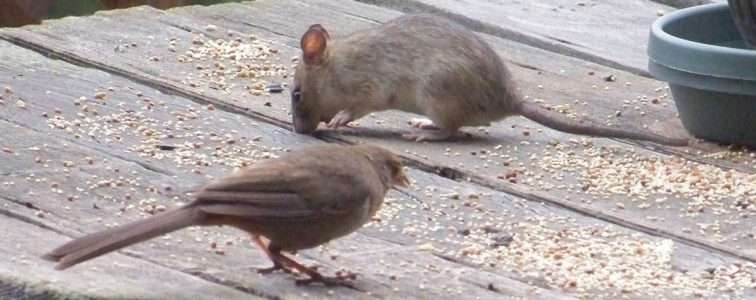
258. Do you like coyotes and bobcats? How about rats?

257. Los mapaches con cacahuates; también fotos de los cuervos y venados

256. Proposal for ceasefire in West Marin ‘newspaper war’

255. The young creatures of summer

254. Eli’s coming — causing momentary dismay at The Point Reyes Light

253. Under the volcano and in the eye of the storm — a firsthand account

252. The duel between The Point Reyes Light and The West Marin Citizen

251. Santa Muerte and El Cadejo

250. Wildlife around my cars on the Serengeti Plain of West Marin

249. A big Western Weekend Parade in li’l old Point Reyes Station

248. 4-H Fair and Coronation Ball keep alive Western Weekend’s agricultural traditions

247. A tail for West Marin to bear in mind this Western Weekend

246. Point Reyes Light sells and will incorporate as a nonprofit

245. Point Reyes Station area blackout rumored to have been sparked by bird

244. Planned Feralhood desperate for a new home

243. John Francis takes a walk down under

242. A day in a small town

241. Point Reyes Station’s notorious curve is scene of yet another vehicle crash

240. The Mother Goose method for getting rid of thistles

239. A benefit so that handicapped kids can go rafting

238. Where angels fear to tread

237. The Chronicle, hang gliders, and horses

236. Crowd celebrates 80th birthday of Marshall artist-political activist Donna Sheehan

235. A classic revisited

234. Nature celebrates spring

233. More on diplomatic news we’ve been following

232. Sportscar flies off embankment; no one hurt in miraculous landing

231. A chat with the Trailside Killer

230. Life and death on my hill

229. Valentine’s Fair raises money for Haiti relief

228. Historic irony as milk truck overturns in Marshall

227. Encouraging my bodhisattva possum on her path to enlightenment

226. Benefit for Haitian earthquake survivors filled with mixed emotions

225. What drought? Nicasio Reservoir overflows

224. Disconcerting standup reporting

223. The storms begin; schools close; a near miss at my cabin

222. Spare the rodent (or rabbit) & spoil the diet

221. Lookin’ out my backdoor: some of my favorite wildlife photos

220. Careening through the holidays

219. Chileno Valley journalist working in Abu Dhabi brings new wife home for visit

218. Just what would Mayberry be like on acid?

217. The foxes of downtown Point Reyes Station

216. Interpreting dreams

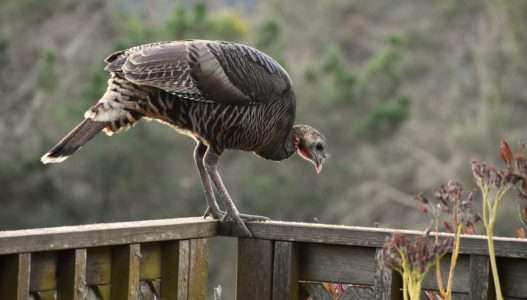
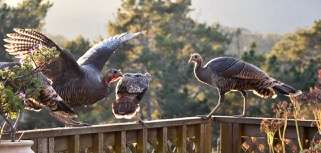
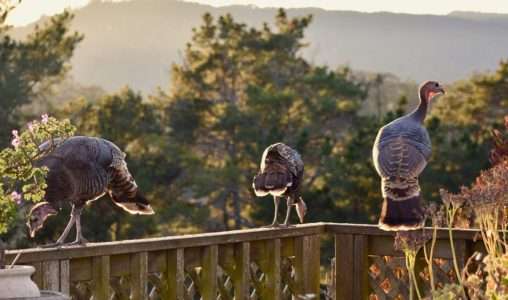
215. Let’s talk turkey

214. You’ll Never Walk Alone — an unlikely story

213. A wistful walk on the bottom of Nicasio Reservoir

212. Progress in the backyard peace process

211. John Francis leaving; 4 other artists turn pages but sticking around

210. What we inherit

209. Over 200 show up at fundraiser to help pay injured ad manager’s medical bills

208. A community helping one of its own

207. A country mouse in the Tenderloin

206. News of the week reported through pictures

205. Update on injured ad manager of West Marin Citizen; benefit planned; and will there be a race?

204. Startling weather; amazing stepdaughters

203. Talented-animal tales

2o2. Saga of The West Marin Citizen ad manager’s recovery spreads around the globe — not always accurately

201. And you were there

200. Hospitalized ad manager of West Marin Citizen coming home; friends volunteering to provide meals

199. Scenes from the Inverness Fair

198. Great progress for injured ad manager of The West Marin Citizen despite problems with convalescent hospital

197. Thieves use ruse to clean out till at Station House Gifts

196. Anastacio’s Famous BBQ Oyster Sauce goes on sale

195. A hillside of wildlife

194. Kaiser Permanente’s ‘Sicko’ machinations shock injured ad manager of The West Marin Citizen

193. Immobilized by multiple injuries, ad manager keeps selling from hospital bed

192. All creatures feathered and furry

191. The wildlife of summer around my cabin & an update on Linda Petersen’s condition 

19o. West Marin Citizen advertising manager hurt in crash; her popular dog Sebastian dies

189. Sunday’s Western Weekend Parade

188. The Western Weekend Livestock Show

187. Western Weekend parade will be Sunday despite reports to the contrary

186. The purple couch beside the road

185. A funny thing happened at the car wash Friday & other odd events

184. My brush with a badger

183. Scientists find no evidence oyster farm harming Drakes Estero; more likely restoring it

182. Why bottom of Drakes Estero can never become part of a wilderness area

181. Badger, Ratty, and the sensual raccoon

180. ‘And how the wind doth ramm!/ Sing: Goddamm — Ezra Pound

179. A tailgate gallery of bumper-sticker humor; Point Reyes weather both Arctic & tropical

178. Crowd in Inverness Friday calls for reviving park’s Citizens Advisory Commission

177. Flying over Northwest Marin

176. Spring meditations in a Miwok cemetery concerning the news of West Marin.

175. Two warning signs of Spring

174. Tomales may be little but it’s lively

173. Doe stalks cat; raccoon emulates Scripture — for the rain it raineth every day

172. Three-year drought comes to a symbolic ending as Nicasio Reservoir overflows

171. Pot busts at my cabin — again

170. Happy Valentine’s Day (as it’s evolved)

169. Blogging about blogging

168. Thinking about words

167. Point Reyes Station celebrates President Barack Obama’s inauguration

166. A reader in Ghana

165. The bittersweet story of a hardy little tree

164. A parting look at 2008

163. Blackout hits Tomales Bay area

162. Nature’s Two Acres Part XXXVIII: Way Out West in West Marin

161. Chileno Valley Ranch as depicted by a rancher-artist who lives there

160. Nature’s Two Acres XXXVIII: This time it’s a tale of two bobbed cats

159. Thanksgiving in Point Reyes Station

158. Nature’s Two Acres Part XXXVII: a bobcat at my cabin

157. Quotes Worth Saving II

156. Nature’s Two Acres Part XXXVI: The migrating birds of fall; or ‘Swan Lake’ revisited

155. Election night euphoria

154. The fun and anxiety of preparing for a disaster

153.  Porky Pig, Demosthenes, Joe Biden, and ‘K-K-K-Katy

152. The political zoo.

151. Nature’s Two Acres Part XXXV: Mr. Squirrel

150. A coyote at my cabin

149. Preparing for the fire season

148. Telling the Raccoon ‘Scat’

147. Faces from the weekly press

146. Tomales, Tomales, that toddling town

145. How park administration used deception & sometimes-unwitting environmentalists to harass oyster company with bad publicity

144. Nature’s Two Acres Part XXXIII: Photographing wildlife indoors and out

143. What government scientists elsewhere had to say about the park’s misrepresenting research to attack oyster company

142. Landscape photos & paintings in Stinson Beach

141. What’s in the Inspector General’s report on the park that newspapers here aren’t telling you

140. Point Reyes National Seashore Supt. Don Neubacher seen as ’scary’

139. A demonstration to save Point Reyes National Seashore deer; park administration dishonesty officially confirmed

138. The good, the bizarre, and the ugly

138. Alice in ‘Wilderness

137. Nature’s Two Acres Part XXXII: The first raccoon kits of summer

136. Nature’s Two Acres Part XXXI: The pink roses of Point Reyes Station

135. Nature’s Two Acres Part XXX: Baldfaced hornets

134. Scenes from my past week

133. Artist Bruce Lauritzen of Point Reyes Station draws a crowd for opening of exhibit

132. Kite day at Nicasio School

131. Sunday’s Western Weekend Parade in photos

130. Early projections hold: Obama, Woolsey & Kinsey win… Leno easily bests Migden & Nation

129. Western Weekend’s 4-H Livestock Show fun — but smaller than ever

128. Humane Society of the US says National Seashore claims about deer contraception are misleading

127. Lt. Governor John Garamendi joins battle to save fallow & axis deer in Point Reyes National Seashore

126. Nature’s Two Acres Part XXIX: Cold-blooded carnality… Or, why be warm blooded?

125. Nature’s Two Acres XXVIII: The first fawns of spring

124. The Beat Generation lives on at the No Name Bar

123. ‘Still Life with Raccoon

122. Nature’s Two Acres XXVII: Animals about town.

121. Newspaperman from Chileno Valley describes his life in the United Arab Emirates

120. Point Reyes Station and Inverness Park demonstrators call for a pedestrian bridge over Papermill Creek

119. Seeing history through newsmen’s eyes…. or the pen is mightier than the pigs

118. Five Faces of Spring

117. Supervisor Steve Kinsey defends further restrictions on woodstoves in West Marin

116. Prostitution in New York, Reno, and Point Reyes Station

115. A country without the decency to ban torture

114. National Seashore’s slaughter of deer traumatizes many residents here; ‘we demand a stop’

113. A tale of Kosovo, West Marin, and a bored battalion of Norwegian soldiers

112. Dillon Beach sewage spill update

111. ‘Drive-by journalism’

110. Sewage spills into ocean at Dillon Beach

109. Nature’s Two Acres XXVI: Which came first, blacktail or mule deer? Hint — their venison is oedipal

108. Nature’s Two Acres XXV: Talking turkey

107. Here’s hoping ‘the goose hangs high this Thursday for Valentine’s Day

106. Signs of bureaucratic contamination

105. A final thought about the Caltrans worker who just did his job — and saved the day

104. Statewide campaign to legalize hemp and marijuana comes to Point Reyes Station

103. Heavy news media presence briefly halts axis-deer slaughterin the Point Reyes National Seashore

102. Storm damage bad but could have been tragic

101. Nature’s Two Acres XXIV: Buffleheads, Greater Scaups, and the 16.6 million wild ducks shot annually

100. Lawsuits against and by Robert Plotkin settled out of court

99. Nature’s Two Acres XXIII: Bambi, Thumper, and Garfield

98. Governor Schwarzenegger’s proposal to close Tomales Bay State Park to save money could prove expensive

97. Old Christmas trees, wild turkeys, and the famous cat-and-rat scheme

96. Blackouts, newspapers in the news, and poetic frustration on the prairie

95. Hurricane-force wind & heavy rain take heavy toll on West Marin

94. Marin County gets a bum rap from itself

93. ‘Eco-fascism in the Point Reyes National Seashore

92. Guess who came to Christmas dinner

91. Yuletide greetings from Santa Claws

90. Assemblyman Jared Huffman’s ominous mailer

89. Nature’s Two Acres XXII: They’re hundreds of times more deadly than cynanide… and headed this way

88. Non-native species stops traffic in Point Reyes Station

87. Blackouts bedevil Point Reyes Station area

86. Urban legends

85. Nature’s Two Acres XXI: Coyote influx benefits some birds around Point Reyes Station

84. Winter Moon Fireside Tales — an undiscovered gem draws only four ticketholders opening night (but more for second show)

83. Striptease in Point Reyes Station… well, sorta

82. Our Lady of the Chutzpah — the many faces of State Senator Carole Migden

81. Stefanie Pisarczyk (AKA Stefanie Keys): a woman of two worlds

80. Point Reyes Station’s ‘Path of Lights’

79. Lessons to be learned from the oil spill

78. Nature’s Two Acres Part XX: Where coyotes howl and raccoons roam free

77. West Marin Community Thanksgiving Dinner celebrated in Point Reyes Station’s Dance Palace

76. Giving thanks for an abundant harvest

75. Being a Gypsy isn’t enough; KPFA fires host criticized for not being a ‘person of color’

74. Nature’s Two Acres Part IXX: ‘Things that go bump in the night’

73. Point Reyes Station pharmacist decries health-insurance practices

72. Farm Bureau president quits; defends independence of wife who disagrees with his political position

71. Ship hits Bay Bridge; spilled oil drifts out Golden Gate and mires birds on West Marin coast

70. California photo book’s release celebrated with gala on Inverness Ridge

69. Coastal Post’s December issue to be its last, assistant editor says; publisher contradicts her

68. West Marin’s ‘Mac Guru’ leaving town — a friend with a knack for surviving

67. One last warm weekend before the season of darkness

66. Ranching matriarch Hazel Martinelli dies at 101

65. Nature’s Two Acres Part XVIII: Seasonal sightings

64. White House Pool: a public park where management listens to the public

63. Tuesday’s Marin County Farm Bureau luncheon for politicos

62. Hawks on the move

61. Point Reyes Station’s Hazel Martinelli celebrates 101st birthday with party at son’s deer camp

60. Vandals dump sewage at West Marin School

59. Paving Point Reyes Station’s main street at night

58. Bolinas firehouse and clinic opening party Sunday

57. Nature’s Two Acres XVII: As seen by an old, almost-blind dog

56. Despite public-be-damned management, it’s still a beautiful park.

55. Language, politics & wildlife

54. Truth becomes an endangered species at the Point Reyes National Seashore.

53. ‘Possums,’ a sequel to the musical ‘Cats’

52. The KWMR/Love Field ‘Far West Fest’

51. Quotes Worth Saving & the Inverness Fair

50. Watching the Point Reyes National Seashore obliterate cultural history

49. Congress sees through Point Reyes National Seashore claims

48. Music, wildlife, and the cosmos

42. Garbage in, garbage out

41. 76-year-old Nick’s Cove reopens

40. What we didn’t celebrate on the Fourth of July

39. Ship’s flare or meteor

38. The death of a salesman: Andrew Schultz

37. Preventing fires at home while The Point Reyes Light feels the heat

36. Monday’s demonstration against The Point Reyes Light

35. Inverness Park fire Friday razes art studio

34. Western Weekend retrospective; anonymous satire of Point Reyes Light distributed at parade; Light’s use of unpaid interns may run afoul of labor laws.

33. Sunday’s Western Weekend parade and barbecue

32. Many fail to find Western Weekend livestock show; a new newpaper debuts in West Marin; The Point Reyes Light reports a former bookkeeper is in jail on embezzlement charges.

31. Nature’s Two Acres Part XVI: A gopher snake & other neighbors

30. New newspaper to be published in West Marin

29. Mermaids, cows, Horizon Cable, and Russia’s Internet war on Estonia

28. Nature’s Two Acres Part XV: ‘Among animals…one finds natural caricatures.’

27. Nature’s Two Acres Part XIV: ‘The world, dear Agnes, is a strange affair.’

26. Sheriff Bob Doyle ’stays the course’ despite blunder and gets county government sued.

25. Nature’s Two Acres Part XIII: ‘Who’s the Head Bull-Goose Loony Around Here?’

24. Nature’s Two Acres Part XII: April showers ‘cruel’ with ‘no regrets’

23. Nature’s Two Acres Part XI: The perky possum

22. Former Point Reyes Light columnist John Grissim, the late pornographer Artie Mitchell, Brazilian President Lula and the advent of orgasmic diplomacy

21. Nature’s Two Acres Part X: ‘Nature Red in Tooth and Claw’

20. Nature’s Two Acres Part IX: Point Reyes Station’s blackbirds

19. Nature’s Two Acres Part VIII: ‘Mice & rats, and such small deer’

18. The Gossip Columnist

17. Saying Yes to Change: A former Point Reyes Station innkeeper finds true joy by moving in with a working-class family in a poor neighborhood of San Miguel de Allende, Mexico.

16. The Bush Administration at Point Reyes Part II: Whatever happened to the Citizens Advisory Commission to the GGNRA & Point Reyes National Seashore?

15. The Bush Administration at Point Reyes: Part I

14. Marin supervisors refuse to tilt at McEvoy windmill

13. Nature’s Two Acres Part VII: Rats v. dishwashers

12. Nature’s Two Acres Part VI: How Flashing Affects Wildlife

11. Nature’s Two Acres Part V: By Means of Water

10. Bankruptcy court trustee lets Robert Plotkin hold onto some of his Ponzi-scheme ‘profits’

9. Big Pot Busts at My Cabin

8. Storm-caused fire razes Manka’s Lodge and Restaurant in Inverness

7. Nature’s Two Acres Part IV: Christmas turkeys & where the buck stopped

6. Nature’s Two Acres Part III: Insectivores and Not

5. My background: Biographical information on newspaperman Dave Mitchell

4. Nature’s Two Acres Part II: Living dinosaurs actually found around my cabin

3. Nature’s Two Acres: A Point Reyes Station Photo Exhibit

2. Robert I. Plokin

1. Introduction to this site SparselySageAndTimely.com plus an account of orphaned fawns being released in Chileno Valley.

Roughly 200 West Marin residents showed up Sunday evening in Toby’s Feed Barn to honor Duane Irving, who died of a heart attack July 19 at the age of 75.

A  succession of residents related their memories of Duane for the crowd, and several remarked on his fondness for ice cream.

Duane’s parents had owned Halleck Creek Ranch in Nicasio where he spent much of his youth. A “Last Roundup” pamphlet, which was given out at the event, noted Duane “attended the little red school house in Nicasio [and was] a member of the last graduating class.”

Former Marin County Supervisor Gary Giacomini (left) lauded Duane’s vision in dedicating land on his ranch to the Halleck Creek Riding Club for people with disabilities. (Photo by Linda Petersen, West Marin Citizen)

At San Rafael High, Duane was an excellent football and especially baseball player, and after graduation joined the Marine Corps.

Following four years in the Marines, Duane broke horses for Bud Farley, whose ranch was later flooded by Nicasio Reservoir, and was game manager and cattle boss for Doc Ottenger, whose land would become part of the Point Reyes National Seashore.

At the request of the late Olema Valley rancher Boyd Stewart, Duane helped establish the Morgan Horse Farm within the National Seashore and subsequently worked in the park’s Roads and Trails Department.

Emcee Cindy Goldfield introduces her mother Joyce, Duane’s companion for many years, who paid an emotional tribute to Duane.

Many West Marin residents knew Duane best for his involvement in Halleck Creek Riding Club. For more than 30 years, he, Joyce Goldfield, and many volunteers helped people with disabilities gain self-confidence and enjoy rugged terrain on horseback.

People who had served as volunteers to lead the riders and people who had been riders themselves both told of their appreciation of Duane.

Xerxes Whitney (left), who was born with cerebral palsy, said he lived on the same hill as Joyce when she started the Riding Club, and “I was one of her first recruits.” (Photo by Linda Petersen, West Marin Citizen)

Despite some difficulties with speech and the use of his legs, Xerxes has developed into a first-rate athlete and now teaches tennis, as well as writes poetry.

He and Duane had played basketball against each other and held nothing back, including “sharp elbows,” Xerxes said. “Duane didn’t care if you could talk or walk,” Xerxes added. He cared about the person.

Perhaps the most-poignant tribute to Duane was offered by a young  woman with Down’s Syndrome. With unexpected eloquence, she described how much she valued Duane’s encouragement and support. Then speaking directly to Joyce, she said that Duane still sees her and loves her. By this point, I like many others in the Feed Barn had tears in my eyes.

No score and seven years ago this Western Weekend, West Marin found itself on the alert for an intimidating presence it hadn’t faced since the time of the Civil War. On May 25, 2003, the first bear to roam these hills in more than 130 years was spotted at the hostel off Limantour Road in the Point Reyes National Seashore.

Awakened about 4:30 a.m., hostel manager Bob Baez and assistant manager Greg King found a medium-sized black bear rummaging through a compost bin and pulling trash out of a Dumpster. They watched for about five minutes until the bear wandered off into the brush.

Although Bear Valley in Olema took its name from the abundance of bears that once were found there, Marin County’s last black bears had been trapped and hunted to death by 1869.

In Occidental 40 miles to the north, however, a sloth of black bears had survived. (Odd as it sounds, ’sloth’ really is the word for a group of bears.) National Seashore rangers assumed the bear at the hostel had wandered south from his sloth in Sonoma County.

This time of year is the mating season for bears, and rangers suspected he was a young male that had been forced to seek new territory when an older male drove him off.

Other reports came in of the bear raiding bird feeders and residential garbage bins around Inverness Park, but soon he headed south. On May 29 and 30, state park rangers spotted the bear on Mount Tamalpais.

He then showed up in the Golden Gate National Recreation Area. On May 31, four campers at Kirby Cove near the Golden Gate Bridge watched as the bear rummaged through their campsite and dragged away food.

Historically, the “black bears” (ursus americanus) in Marin County ranged from brown to black in actual color.
.

At 4:30 a.m. June 1, two long-time residents of the Zen Center in Muir Beach spotted the bear sitting atop a Dumpster. They hadn’t heard about the bear being in the area and could hardly believe what they were seeing.

Evidence of the bear was then found in Muir Woods National Monument, where a maintenance worker discovered several of the park’s 50-gallon garbage cans “destroyed beyond use,” the GGNRA reported.

Officials of the GGNRA, Marin Municipal Water District, and the California Department of Fish and Game began asking residents of areas where the bear had been spotted to store their garbage inside. If it became accustomed to foraging in household garbage, they warned, the bear could become dangerous and would have to be killed.

Fortunately, that did not happen. As mysteriously as it had arrived, the bear disappeared without a trace, and everyone agreed it had probably gone home to Occidental, which is known for hearty dining.

Black bears are fond of grasses, roots, berries, and insects. They also have an appetite for fish and mammals, including carrion, and are quick to develop a taste for human food and garbage. Or so say the experts.

Beat poet and literary critic Kenneth Rexroth (1905-82) of San Francisco back in the 1960s wrote a column called Classics Revisited for the now-defunct Saturday Review. In the spirit of Rexroth’s column, I myself would now like to revisit a modern classic.

In 1970, the poet W.H. Auden published A Certain World: a Commonplace Book. Auden (1907-73) was born and educated in England but in 1946 became a US citizen. Many people consider him one of the best poets of the last century.

Incredibly well read, Auden over the years collected telling quotations from numerous sources, and his commonplace book presents them arranged by topic in alphabetical order.

The poet said he compiled the book instead of writing his memoirs because “biographies of writers, whether written by others or themselves, are always superfluous and usually in bad taste…. [A writer's] private life is, or should be, of no concern to anybody except himself, his family, and his friends.” Nonetheless, A Certain World is revealing as to what influenced, interested and amused Auden.

Some thoughts on money, for example:

• “You will never find people laboring to convince you that you may live very happily upon a plentiful fortune.” — Dr. Samuel Johnson (1709-84), English essayist and lexicographer

“Many priceless things can be bought.” — Baroness Marie Von Ebner-Eschenbach (1830-1916), Austrian writer

• “Two evenings spent at La Scala, Milan, one of them standing up, the other sitting down. On the first evening, I was continually conscious of the existence of the spectators who were seated. On the second evening, I was completely unaware of the spectators who were standing up (and of those who were seated also).” — Simone Weil (1909-43), French philosopher and social activist, seen at right

• “I am not sure just what the unpardonable sin is, but I believe it is a disposition to evade the payment of small bills.” — Elbert Hubbard (1856-1915), American writer and publisher

• “If the rich could hire other people to die for them, the poor could make a wonderful living.” — Yiddish proverb

On forgiveness:

• “Many promising reconciliations have broken down because, while both parties came prepared to forgive, neither party came prepared to be forgiven.” — Charles Williams (1886-1945), British writer

• “No one ever forgets where he buried the hatchet.” — Kin Hubbard (1886-1930), American humorist and journalist

On the human face:

• “If the eyes are often the organ through which the intelligence shines, the nose is generally the organ which most readily publishes stupidity. ” — Marcel Proust (1871-1922), French novelist, seen at right

• “Our notion of symmetry is derived from the human face. Hence, we demand symmetry horizontally and in breadth only, not vertically nor in depth.” — Blaise Pascal (1623-62), French scientist and philosopher

• “When indifferent, the eye takes stills, when interested, movies.” — Malcolm de Chazal (1902-81), Mauritian writer and painter

• “The wink was not our best invention.” — Ralph Hodgson (1871-1962), English poet

On immaculate conception:

• “Behind this ingenious doctrine lies, I cannot help suspecting, a not very savory wish to make the Mother of God an Honorary Gentile. As if we didn’t all know perfectly well that the Holy Ghost and Our Lady both speak British English, He with an Oxford, She with a Yiddish, accent.” — Auden, seen below

A Certain World: a Commonplace Book is now 40 years old, but used copies are still available.

I’ve seen them listed for $5.65 hardbound, with copies in mint condition for $22.95. I paid more than that 30 years ago when I bought a paperback copy in a London bookstore.

In 1979-80, “Trailside Killer” David Carpenter murdered one woman and possibly three others on Mount Tamalpais, as well as three women and a man in the Point Reyes National Seashore. Most of the women were also raped.

Carpenter’s arrest came the following year after he murdered two women in Santa Cruz County. He was caught when the companion of one Santa Cruz victim survived despite being wounded and was able to give lawmen a description of the assailant.

For years, Carpenter has also been a suspect in several other slayings, and this week San Francisco police announced DNA evidence has now tied him to the 1979 murder of Mary Frances Bennett, 23, of San Francisco. She had apparently been jogging near the Palace of the Legion of Honor when attacked.

Police said she had been stabbed at least 25 times in her chest, back, and neck. Bennett’s “butchered” corpse was found under a thin layer of dirt and leaves.

In 1984, a jury in San Diego County convicted Carpenter of the Santa Cruz murders, and he was sentenced to be executed. In 1988, a second jury convicted him of the National Seashore murders and one murder on Mount Tamalpais.

After he was placed on death row in San Quentin where he remains today, Carpenter (left) contacted me out of the blue, and this ultimately led to my interviewing him in the prison. Photo by Christopher Springmann

At the time of the interview in 1985, Carpenter, then 55, had spent more than 22 years in custody.

Carpenter was first incarcerated at the age of 17 for allegedly having oral sex with a three-year-old girl. He denied the charge but spent three months in Napa State Hospital.

Three years later — in 1950 — he was arrested on charges of raping a 17-year-old girl, but the charges were dropped. Ten years later, he was arrested a third time. A military policeman shot and wounded Carpenter when the officer found him using a hammer to beat a secretary who had rebuffed his sexual advances. He went to federal prison for nine years.

In 1969, ten months after his release, Carpenter sexually attacked two women in Santa Cruz County, stole a car, and drove to the Sierra. In Calaveras County, he robbed two women, kidnapping one of them. He would later be charged with rape in connection with the Calaveras attacks, but that charge was eventually dropped.

A few days after the Calaveras attacks, Carpenter was arrested in Modesto. Convicted of robbery and kidnapping in Calaveras County (where he escaped from jail briefly) and of rape in Santa Cruz County, Carpenter went to state prison for seven years.

When he got out in 1977, he was returned to federal prison for violating his parole with the Calaveras and Santa Cruz attacks. In 1979, Carpenter was placed in a halfway house in San Francisco while awaiting parole. Three months later, the first trailside murder occurred. Here are the murders to which he had been previously linked:

• Edda Kane, 44, of Mill Valley was shot in the back of the head Aug. 19, 1979, while hiking on Mount Tamalpais.

• Barbara Schwartz, 23, of Mill Valley was stabbed to death while hiking on Mount Tamalpais March 8, 1980.

• Anna Mejivas, a friend of Carpenter, was found slain in Mount Tamalpais State Park on June 4, 1980.

• Cynthia Moreland, 18, of Cotati and Richard Stowers, 19, of Two Rock were shot to death Oct. 11, 1980, off Sky Trail in the National Seashore.

• Anne Alderson, 26, of San Rafael was jogging at the edge of Mount Tamalpais State Park Oct. 15, 1980, when she was killed with three bullets to the head. Alderson’s murder was the only one on Mount Tamalpais for which Carpenter was prosecuted.

• Diana O’Connell, 22, of Queens, N.Y., and Shauna May, 23, of Pullman, Wash., were shot to death Nov. 28, 1980, also off Sky Trail in the park. Their bodies, along with those of Moreland and Stowers, were found the following day.

• Ellen Hansen, 20, a UC Davis graduate student, was shot to death while hiking near Santa Cruz March 29, 1981. Her companion, Steven Haertle, was shot four times but survived.

• Heather Skaggs, 20, of San Jose disappeared the day she was scheduled to go shopping with Carpenter, May 2, 1981. Her body with one gunshot wound to the head was found in Santa Cruz May 24.

As it happened, KQED television in 1985 taped a debate between Synanon attorney Phil Bourdette and me. After watching the debate from inside San Quentin, Carpenter wrote me at The Point Reyes Light, and we began a correspondence.

Before it ended, Carpenter was answering questions from The Light and its readers. How common is homosexual rape of inmates by inmates? Most rapes occur in large jails operated by counties, not in state prisons, Carpenter answered.

With so much money being spent on prisons, how well is it used? “Pre-1976-77, everybody was under an indeterminate sentence, and you had to earn your way out of prison,” Carpenter replied. “There was very little trouble in the prison system  because the men knew they had to keep their noses clean to have any chance at parole.

“Back then most of the work that was done in prison was done by the inmates themselves. Rehabilitation is dead in this state….. Virtually all of the jobs that were done by the prisoners and cost the taxpayers practically nothing are now all being done by civilian personnel at a very high cost to taxpayers.”

When I managed to schedule an interview with Carpenter in San Quentin, I was intrigued by the prospect but didn’t know what to expect. Would he seem to be a monster, a sadist? Carpenter instead seemed rather charming.

While admitting “my record sucks,” Carpenter stammered that he was not responsible for the trailside murders. Carpenter’s stuttering was, in fact, so severe I felt an immediate sympathy.

Carpenter acknowledged experimenting with pot after he got out of prison in 1979, so I asked if marijuana gave him any relief from his stuttering. “Alas,” he replied, “it really didn’t do anything for me speechwise. My stuttering stayed the same, but my attitude toward my stuttering changed. The more I smoked, the less I cared or let it bother me.”

Years later in conversation with a former member of the San Quentin staff, I speculated that Carpenter’s stuttering was so disarming it may have made sympathetic women more vulnerable to an attack.

The former staffer, in turn, said he suspected that Carpenter murdered his rape victims because a middle-aged, bald man with an extreme stutter would be easy to identify. That does make sense.

A loaded milk truck belonging to Straus Family Creamery of Marshall overturned along Highway 1 just north of Nicks Cove today. The Highway Patrol reported the accident happened at 8:50 a.m.

The 270-degree rollover occurred when the long tanker-truck, which was southbound, encountered a northbound vehicle on a tight curve, members of the county fire department and Straus family told me. The truck came to a stop with a pair of its dual rear wheels off the pavement, the firefighter said.

The truck was still upright when the driver got out, but it then rolled over, the firefighter added. No one was hurt in the accident.

The property on which the truck landed is part of the Golden Gate National Recreation Area, and a small amount of milk spilled out of the tanker’s hatch.

In a serendipitous irony, however, the spilled milk didn’t go very far, let alone down to Tomales Bay a short distance below the curve.

Straus Creamery uses rice hulls for bedding in the cows’ stalls, and in 2003, a truck heading to the dairy ranch ran off the same curve and spilled a load of hulls. The decision at the time was to leave the hulls on the ground since they weren’t doing any harm.

When milk began leaking from the overturned tanker-truck today, it was immediately absorbed by the old rice hulls. Here a cleanup worker shovels more hulls under the leak.

Christmas week was a roller coaster ride for me. Amid all the merriment, I hit a young buck a week ago while driving on Lucas Valley Road. The deer was fatally injured when it jumped in front of my car just as I passed. It’s an old story.

The only other deer I’ve ever hit was a fawn 30 years ago, and both times I’ve been saddened by the animals’ misfortune. This time, however, I also felt a bit sorry for myself. The collision did more than $400 damage to a headlight.

I hadn’t planned on having a Christmas tree this year, but one literally dropped from the sky and landed close to my front door. On Christmas Eve, I found a nicely shaped tip of a pine branch on the ground. It had probably been gnawed off by a squirrel high in a tree that’s near my front steps.

‘What the heck?’ I thought and stuck it in a stand almost as big as the “tree” itself. My little Tannenbaum had room for only a few ornaments, but that was fine. And when I took a picture of it, the camera’s flash serendipitously created a Star of Bethlehem on a window behind the tree.

Overheard at a party: A couple of modest means invited me to a boisterous celebration where one of the guests brought an uninvited man. After listening to the man hold forth about a recent trip to Europe and an upcoming return trip to Hawaii, the hostess sarcastically commented she wasn’t as “rich” as he.

“I’m not rich. I’m broke,” the man replied indignantly. “That’s just my lifestyle.” I wondered if his lifestyle might account for his being broke.

Early last week, I received a Christmas card from an older woman who once owned a business in Point Reyes Station. As of last fall, she was in an assisted-living facility over the hill.

The card, however, had been sent from the Cooperstown Medical Center. “I’m in Cooperstown, North Dakota,” she wrote, “but now I forget why.” It was a poignant admission, and I wish her well.

The day after Christmas is a public holiday in much of Northern Europe (where it coincides with St. Stephen’s Day) and in most of the English-speaking world other than the United States. Boxing Day, as it is called in English, originated in a tradition from the Middle Ages — perhaps from the days of ancient Rome — of giving gifts to household servants and the needy on a certain date.

Some people have theorized that the English name for the celebration originated in the practice of churches opening their alms boxes the day after Christmas and distributing the contents to the needy.

“What did you do for Boxing Day?” I wrote one cousin. “I spent mine celebrating Kwanzaa.” Also occurring the day after Christmas is the start of Kwanzaa, a week-long celebration of African culture. The celebration was launched 43 years ago by Black Power activist Ron Karenga.

The name comes from matunda ya kwanza, which is Swahili for first fruits of the harvest. The celebration, which has been commemorated with two postage stamps, has been becoming somewhat more mainstream, with a few million US citizens of diverse races and religions now observing it.

So I hope you enjoyed a happy Chanukah, or a jolly Winter Solstice, or a merry Christmas, or a beatific Boxing Day, or a convivial start to Kwanzaa — or all of the above. If you didn’t, there’s still New Year’s Eve to come, so get out there and party.

Former Point Reyes Light reporter Ivan Gale married Annalene MacLew Sept. 5 in Johannasburg, South Africa, and he is now briefly back in West Marin introducing her to friends and relatives.

Family gathering (back row from left): Ivan Gale, Annalene Gale née MacLew, Mike Gale, Sally Gale, Amy Culver née Gale holding daughter Izzy, Rohan Gordon, Katie Gordon née Gale. Front row: Brent Culver and daughter Sarah Culver.

After he left my newsroom in 2004, Ivan earned two master’s degrees at Columbia University’s Graduate School of Journalism. When he finished his second year at Columbia, Ivan was hired by The Gulf News, an English-language newspaper in Dubai, the United Arab Emirates.

A year ago, Ivan was hired away by a new daily newspaper, The National, in Abu Dhabi, the capital of the UAE.

As it happens, Annalene works for Etihad Airways, which is based in Abu Dhabi.

The Gale ranch house in Chileno Valley.

Mike and Sally talk with Marin County Supervisor Steve Kinsey (right) during a party Saturday  for Ivan and Annalene.

Ivan is the son of Chileno Valley ranchers Mike and Sally Gale, and on Saturday a throng of ranchers, artists, local officials, journalists, relatives, and other friends showed up at Gale Ranch to wish the newlyweds well.

Of course, not everything at Gale Ranch has been warm and cozy of late. Today Mike told me it was so cold in Chileno Valley during the night that the cattle had frost on them this morning.

By noon, however, the day was sunny and getting warmer. At least Annalene can now understand the old West Marin expression, “If you don’t like the weather here, just stick around a few minutes, and it’ll be different.”

As for the rest of you, happy holidays and try to stay warm.

Today being Thanksgiving, let’s talk turkey. As it happens, there are a number of turkeys to talk about.

Fox-Thanksgiving

Well over 100 people from all walks of life showed up this afternoon at the Dance Palace for the West Marin Community Resource Center’s annual Thanksgiving dinner.

serving

Volunteers served guests buffet style. Along with the traditional turkey, dressing, mashed potatoes, salad, yams, and green vegetables, there was tofu for vegetarians. The pies — apple, pumpkin, and berry — as always were delicious.

Thanksgiving

So many folks attended the dinner that the line of people waiting to be served sometimes stretched all the way around the room. And yet there was enough food left over that any guests who wanted to, such as I, could take some home.

Of course, the word turkey has many meanings, one of them being an inept public display (e.g. that play was a real turkey). Some turkeys in this sense of the word are really bad while some are basically just a misstep. The following fall in the latter category.

Prison-guard-head.-1945002Have you ever wondered what it would be like to work for a prison guard? The headline above from the Nov. 15 San Francisco Chronicle suggests an answer.

two-suits-1945002The turkey at right, also from the Nov. 15 Chronicle, might suggest that two agents from the FBI or other covert agency are getting involved in a fisheries issue.

As a former headline writer, I should note in fairness to The Chronicle that it’s all too easy to accidentally come up with a “head” that has a double meaning.

It comes about because of the need to pack as much information as possible into limited space.

That is why when I edited The Point Reyes Light, the paper routinely used “flap” in headlines to mean dispute, “rap” to mean criticize, “confab” to mean meeting, and “supes” to mean the Board of Supervisors.

In 2003, a sheriff’s deputy in Stinson Beach shot a motorist three times at the end of a high-speed chase, but all that would fit in the headline was “thrice,” so that’s what we used. This prompted a letter from a reader who commented on how quaint West Marin is when a deputy here can shoot a man “thrice.”

I can also recall once writing a headline along the lines of “Feds announce big deer hunt in park.” Luckily, one of my staff saw the head before the paper went to the printer and asked, “Big deer go hunting in the park?”

many-hope-for-prison001Perhaps my favorite Chronicle headline of recent was in the Nov. 17 issue. The turkey at left immediately made me wonder if the story were about Richmond.

From what I read, spending time behind bars is considered a rite of passage among hundreds of young gang members there.

The story was actually about residents of economically depressed Thomson, Ill., wanting Thomson Correctional Center used as the new prison for Guantanamo Bay detainees.

100_1966

And then there are actual turkeys, which are called that only because of a confusion involving the country of Turkey. When the British were introduced to the North American wild turkey, they confused it with guinea fowl, an African bird that was being imported by way of Turkey.

By coincidence, I read in Al Jazeera today that Turkey and Armenia are on the verge of reestablishing diplomatic relations. That would be something to be thankful for.

In 1994, Turkey sided with Azerbaijan in a conflict with Armenia over the disputed Caucasian territory of Nagorno Karabakh, leading Turkey to close its border with Armenia.

More enmity by far, however, stems from the 1915-25 genocide when Turks exterminated up to 1.5 million ethnic Armenians (more than half their population) and marched many others across the desert into Syria. This Armenian Holocaust, as it often called, reduced the number of Armenians in the country to between 60,000 and 70,000 today.

Remember the starving Armenians,” my mother used to say when I didn’t eat every vegetable on my plate at Thanksgiving dinner.

If a segment of Connections had been devoted to popular culture, it could not have found a better example than this story, which begins on stage and ends in soccer.

For those of you who don’t remember Connections, which was first aired on Public Television in 1979, the series was hosted by the British science-historian James Burke. His premise was that developments in one area of science and technology often lead to developments in seemingly unrelated areas.

Burke, for example, once showed how improved trade in the ancient world led to the understanding of magnetism during the 16th century, which in turn led to the discovery of electricity in the 17th century and ultimately the development of radar and nuclear weapons in the 20th century.

Ferenc_Molnár_1941The connections now fascinating me are far less significant than Burke’s but at least as convoluted — and probably more fun.

To demonstrate my series of connections, I’m including nine video links,  far too many to watch to conclusion. The two that are essential for following this story are marked.**

In 1909, a Hungarian named Ferenc Molnár (right) wrote a grim play called Liliom about an out-of-work carousel barker who unsuccessfully turns to crime and then kills himself, causing great suffering for his wife and unborn daughter.

In the end, he is consigned to Hell.

48ed0_rodgers-hammersteinBizarrely, two producers during World War II asked Richard Rodgers and Oscar Hammerstein (left) to turn the play into a Broadway musical.

Although skeptical, Rodgers and Hammerstein agreed to take on the project but relocated the story from Budapest to a New England fishing village and gave it a happier ending.

The result was Carousel, which opened in 1945. Time magazine would later call it the best musical of the 20th century.

Carousel

In 1956, Carousel was made into a film starring Gordon MacRae as Billy the barker and Shirley Jones as his wife Julie.

The musical contained several memorable songs, the most powerful of which is You’ll Never Walk Alone. Julie’s aunt sings it to her when Billy dies, and the song is reprised in the finale during his daughter Louise’s graduation from high school.

In the final scene, Billy has returned to earth, having been told he can’t enter heaven until he salves the pain he caused Julie and Louise. Louise in particular has been shunned by other villagers because of her father’s misdeeds, leaving her isolated during graduation.

Although invisible to others, Billy appears to Louise during the ceremonies and boosts her self-confidence, which leads Louise and Julie to take part in singing You’ll Never Walk Alone:

“When you walk through a storm/ Hold your head up high/ And don’t be afraid of the dark./ At the end of the storm/ Is a golden sky/ And the sweet silver song of a lark.

“Walk on through the wind,/ Walk on through the rain,/ Tho’ your dreams be tossed and blown./ Walk on, walk on/ With hope in your heart/ And you’ll never walk alone,/ You’ll never walk alone.”

KylaBecause of the song’s inspirational message and its being sung during the musical’s graduation scene, schools throughout the United States soon began singing it at graduation.

On YouTube, one can watch the song being performed during the graduation exercises of various schools, ranging from UCLA to BYU to Siuslaw High in Oregon, among others.

Singers from Frank Sinatra, to Doris Day, to Elvis Presley recorded it. One of the most-striking, and perhaps surprising, renditions comes from Manila where it is performed by the beautiful Filipina soul singer Kyla (left).

But the rendition that gave You’ll Never Walk Alone a connection no one could have foreseen came from Liverpool, England, where a band called Gerry and the Pacemakers recorded it in 1963. Their version immediately topped the British pop music charts.

Picture 2Today Gerry Marsden (right) and the Pacemakers are remembered, if at all, in the United States for their 1965 hit Ferry Cross the Mersey.

Nonetheless, the group was right behind their fellow Liverpudlians, the Beatles, in leading the British Invasion of American pop music after 1964.

Now here is where a bit of sociology comes into play. Liverpool is ethnically diverse and in the early 1960s had enough nightspots to employ hundreds of bands.

Because the city is a major port on the Mersey Estuary, the style of music played by the Beatles, Gerry and the Pacemakers, and other Liverpudlian bands came to be known as Merseybeat.

Picture 3However, Liverpool was also an industrial city in decline (left), and in the early 1960s, the main thing its popular culture had going besides music was its professional soccer team (or football club, as they say in other parts of the world).

In 1959, a working-class manager named Bill Shankly had taken over the club when it was at the bottom of the English Football Association’s second division and its facilities were decrepit. By the end of six years under Shankly, who was admired by fans and players alike, the Liverpool Football Club was the best in England.

With the formerly forlorn football club generating so much pride and expectation among Liverpudlians, it was perhaps appropriate You’ll Never Walk Alone became the “Liverpool Anthem” for the fans. Not just any version, of course, but specifically the Gerry and the Pacemakers’ Merseybeat rendition.**

Picture 7

Before every match, a Gerry and the Pacemakers’ recording of You’ll Never Walk Alone is played on the stadium PA system while Liverpool fans by the tens of thousands sing along and wave banners, as can be seen in this video from Danish television.**

The anthem so impressed fans elsewhere that soon other football clubs adopted You’ll Never Walk Alone as their anthem too. Again, not just any version but specifically the Gerry and the Pacemakers’ Merseybeat version.

Before long, there were matches where the fans of opposing teams were singing the same anthem in unison. Gerry, now 67, can be seen in this video leading Celtic Football Club fans from Glasgow and Liverpool fans as they sing together.

FCC-Tokyo

In time, the song’s popularity as a football anthem spread to clubs in the non-English-speaking world. Belgian football fans from Brugge now struggle to sing along in English with Gerry and the Pacemakers. Fans of Tokyo’s football club (above) sing a pretty fair approximation.

How have Liverpool fans reacted? One Liverpudlian posted a complaint on this Japanese video: “Why does every team steal our song? It’s ours, no argument. Gerry and the Pacemakers, who sung it originally, are from Liverpool, and they said in an interview they made it for Bill Shankly.”

Of course, Gerry and the Pacemakers — like Frank Sinatra, Elvis, Kyla, and hundreds of school choirs — took the song from Carousel by Rodgers and Hammerstein who, in turn, got the story from Liliom by Frenec Molinár.

All the same, it is intriguing how a Merseybeat band in recording a song from a 1945 Broadway musical — based on a 1909 play — ended up creating a football anthem that today is sung around the world.

Next Page »